
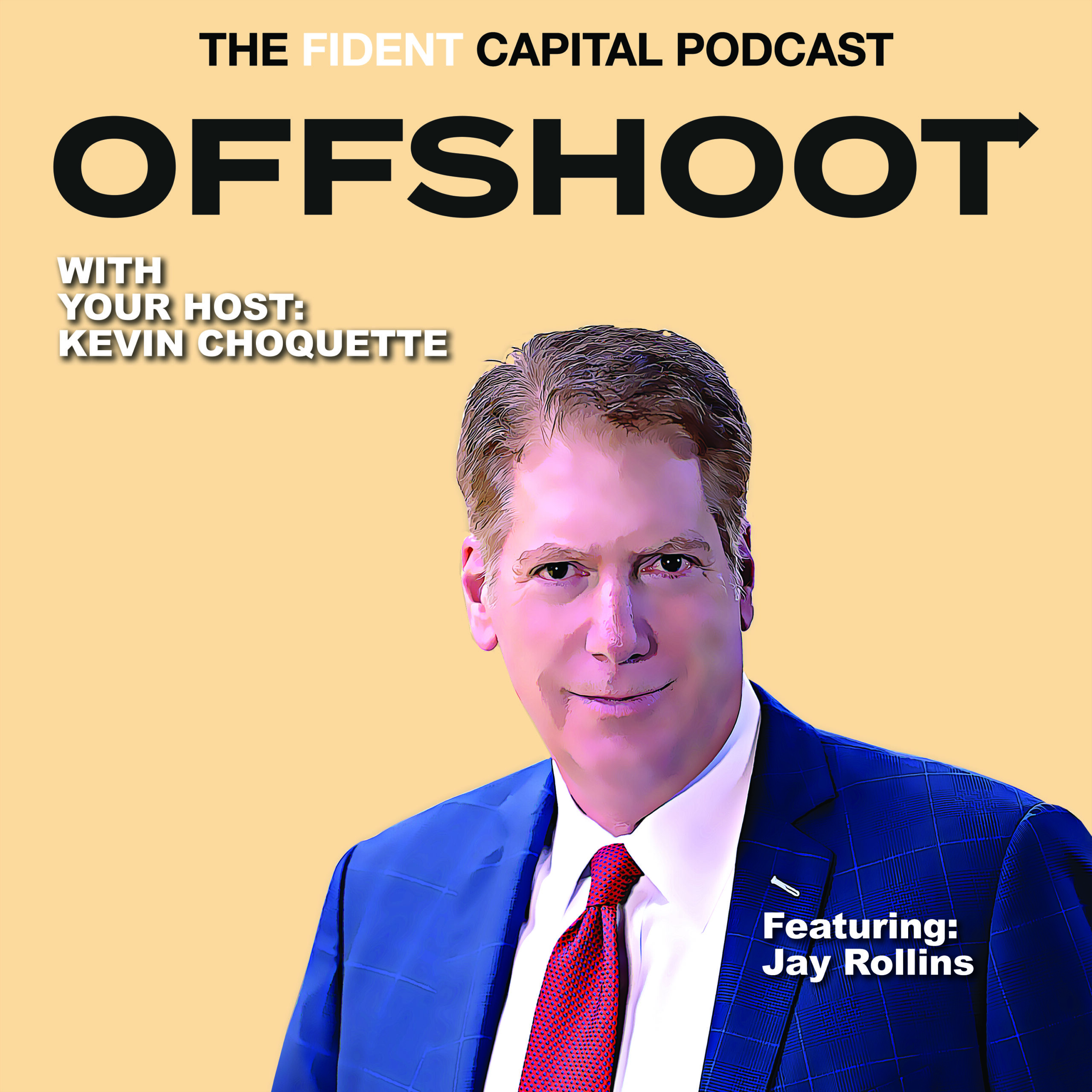
Jay Rollins has built and sold four companies over 40 years, from RTC-era distressed acquisitions to scaling GMAC’s Specialty Finance Group nationally, to growing JCR Capital to $1.6 billion in AUM before selling to Walker Dunlop in 2018. Now he’s doing something completely different with Canopy Real Estate Partners.
Instead of building another massive fund, Jay’s scouting for talent – specifically, real estate operators between 35 and 45 who’ve proven they can do deals but have never recruited institutional capital or learned to build institutional platforms. His pitch is refreshingly straightforward: let Canopy put discretionary capital in your hands, teach you fund management, and help you build a real platform. If you become the next Colony Capital, he’s applauding from the sidelines having taken no equity in your company beyond what’s earned at the project level.
What makes this compelling is how Jay’s matched his fund product to investor appetite rather than just pitching a pipe dream. Canopy’s investor payout behaves like a real estate bond – 6% current return, four-year duration, 18% at exit, with only 50-55% leverage across the portfolio. It’s designed for LPs tired of “trust me, it’s a good deal. I’ll call you in five years.” The conversation reveals why having discretionary capital in the middle market is a massive competitive advantage, how proper promote structures and vesting drive team alignment, and why basic interpersonal skills – looking someone in the eye, remembering their name – will put you ahead of 95% of of the younger generation. Jay’s built and sold businesses four times and he’s sharing the playbook openly.
Transcript
[00:49] Kevin: Welcome everyone to episode 34 of Offshoot, where my guest today is Jay Rollins, founder of Canopy Real Estate Partners, a boutique fund focused on middle market commercial real estate across the Western U.S.
[01:02] jay’s a 40 year veteran who built and sold multiple platforms from RTC era distressed assets acquisition with Eastern realty to growing GMAC’s specialty finance group to a meaningful national scale to then founding JCR Capital and scaling it to 1.6 billion in assets under management before selling it to Walker Dunlop in 2018.
[01:26] Jay’s current venture has a very unique position and strategy. He’s not building another massive fund,
[01:32] he’s scouting talent, specifically syndicators between say 35 and 45 years old who’ve never gotten access to institutional capital or learned how to build institutional platforms.
[01:45] His pitch is simple. Let Canopy put discretionary capital in your hands and teach you the fund management business so you can grow your platform should you become the next Colony Capital.
[01:55] Jay’s applauding from the sidelines, having taken no equity in your company other than what is earned at the project level on their investment and its return.
[02:05] The whole model starts with what Jay calls people first,
[02:09] deal second. He’s spending time understanding operators,
[02:13] their processes and their temperament.
[02:16] Then they’ll do one or two deals together as a dating period.
[02:20] If it works, Canopy offers an equity facility,
[02:23] say a $30 million training fund if you will, where they sit on the investment committee and help the sponsor build institutional quality operations.
[02:31] It’s not just about doing deals and allocating capital.
[02:35] It’s about passing top tier system audits, getting reports dialed and understanding how to manage discretionary institutional capital.
[02:43] What’s really compelling about his approach is Jay’s matched the product to investor appetite versus a typical sponsor who’s simply selling the dream. Canopy is built to behave like a real estate bond, which is 6% current return,
[02:57] four year duration and an 18 IRR at exit with only 50 to 55% leverage across the entire portfolio.
[03:05] It’s low leverage tax advantaged cash flow for an LP base that’s tired of being told trust me. I’ll call you in five years.
[03:14] Listening as we cover why having discretionary capital in the middle market is a massive competitive advantage.
[03:21] How the syndication market’s cyclicality provides lots of money at the wrong time and no money at the right time.
[03:30] The value in building a general partnership that’s above and beyond promote and fees. YJ looks for sponsors who have analytical skills combined with sales skills and that intangible trustworthiness factor.
[03:43] How people overcomplicate commercial real estate with acronyms as a way to keep others out of the business.
[03:49] How allocating promote and proper vesting structures drives alignment within real estate teams.
[03:56] The process and pain of selling a company,
[03:59] including the surprise SEC audit that JCR endured during Walker Dunlop’s due diligence.
[04:05] And finally, why basic interpersonal skills like looking someone in the eye,
[04:10] shaking their hand and remembering their name will put you ahead of 95% of the younger generation.
[04:17] Jay’s built a business four times now and he’s sharing the playbook openly. I hope you enjoy this as much as I did.
[04:30] Jay, welcome to the podcast. Thank you for taking some time this afternoon to speak with me. I appreciate it.
[04:36] Jay Rollins: Oh, well, thank you, Kevin. It’s great to be here.
[04:39] Kevin: Yeah.
[04:41] Look, I know you and I are going to get into it because I know you’d be a pretty analytical guy,
[04:46] but let’s start with Canopy Real Estate Partners, your current venture. Just, you know, maybe tell me what you guys are doing over there and we’ll break it down from there.
[04:57] But love to just learn more about that.
[05:00] Jay Rollins: Sure.
[05:01] So I think most of the audience knows me from JCR Capital and that was a platform, a commercial real estate finance platform that I formed in about 2010 and grew that.
[05:18] We ended up selling that to a public company in 2018.
[05:23] And then I hung around a little bit to work on.
[05:27] The, the assets that we had. But, you know, I was getting to the Canopy piece was an interesting journey because it really started out with.
[05:40] Me wanting to invest my own balance sheet in commercial real estate because I saw as we were coming out of and we’re still coming out of, but as we were coming out of this and interest rate rise, which I call the great interest rate rise,
[05:59] that created a lot of distress.
[06:02] I saw a tremendous opportunity to buy middle market assets and I said, well, I really would like to add that to my portfolio,
[06:13] but I really don’t want to start over again and build a company from scratch and accounting and operations.
[06:21] And it was really a journey of, you know, how can I be impactful?
[06:26] You know, take this 40 year career in commercial real estate and continue on,
[06:32] but do it in a manner that is beneficial to the people I work with and accomplishes the goals that I want is to buy middle market commercial real estate.
[06:47] So that led me to really to start thinking a lot about structure. And where I landed on that was I think there’s a generation of great real estate minds, younger talent guys between the ages of 35 and 45,
[07:05] that had been syndicators and never really got access to institutional capital or how to build institutional capital platforms.
[07:15] And when people start out in this business, they typically start out just syndicating friends and family money.
[07:22] And then you get into that and you just become a syndicator and that’s really all you know.
[07:27] And there’s nothing wrong with that business, but it has its pitfalls.
[07:32] And I think those pitfalls were getting exposed.
[07:37] Over the last few years.
[07:39] And my thinking was if I could partner up with some of this young talent, somebody that has a syndication business,
[07:48] and that I could tell them about the opportunities in discretionary institutional capital business,
[07:56] I could form partnerships and they have operational expertise or they have operational businesses,
[08:03] and those operations can be used to form the backbone of Canopy.
[08:09] And that’s really how this thing came about.
[08:13] And so it was me wanting to work with a younger generation of real estate sponsors,
[08:21] me bringing the years of institutional LPs and raising capital in an institutional manner to a group of people that haven’t been exposed to that with really the idea of,
[08:37] let’s create the next Barry Sternlichs, let’s create the next Wes Edens, why not you?
[08:44] And let’s find this talent and let me help you really bring.
[08:52] Bring you to your full potential. And that was really the, you know, starting embryos of Canopy.
[09:00] Kevin: Okay, so let’s go. You know, I’m 43. My business partner and I have done, let’s say, six multifamily.
[09:11] Value add deals. We’ve either done them with one or two high net partners who’ve kind of given us reasonable economics,
[09:20] or we’ve done syndications.
[09:23] How do I,
[09:25] you know, assuming that, like,
[09:27] I look and feel the way that Canopy would want me to look as a sponsor,
[09:32] where does the rubber hit the road? How do you start to partner up with somebody like that?
[09:36] Like, what’s it look like from a good start to starting to say, okay, hey, this is, this is a fork in the road. You could travel this way with me and it might look,
[09:45] you know, as follows.
[09:47] Jay Rollins: Right? That’s a great question. And to be really candid. We’ve been working out a lot of these.
[09:55] You know, questions and nuances along the way. We think we have pretty compelling story at this point, though, where the direct answer to that is a couple things. One,
[10:08] we’re spending a lot of time.
[10:10] We like to use the term we’re people first, and deals second.
[10:15] We don’t want to be known as an allocator.
[10:19] We don’t want guys just showing us deals and saying, hey, I got a multifamily deal in xyz.
[10:25] You know, do you want to do it?
[10:27] We’re about the people behind the deal. And so we would say to you,
[10:33] okay, if I didn’t know you, you’d say, you know what? We need to spend some time together.
[10:39] You need to come out, or we need to come out.
[10:42] Show us your operations, show us your properties,
[10:46] show us your process.
[10:49] How do you think about the business?
[10:51] And so we’re spending a great deal of time.
[10:55] Getting to know the people and picking the right people.
[10:58] I really feel like I’m in the talent business.
[11:02] And if you. I’m kind of like the guy who goes to high school football games on Friday night.
[11:11] And I’m looking for D1 talent,
[11:14] and I’m looking for maybe there’s a guy on the field that could play on Sunday someday.
[11:20] And that’s really how we start.
[11:24] So we kind of pass that test.
[11:27] And then we know that nobody wants to get married on the first date. So.
[11:34] Once we’re comfortable,
[11:36] then it’s like, okay, well, let’s look at some deals together. What do you have?
[11:40] Let us be your.
[11:42] We’ll be an LP here.
[11:44] And typically, our first deal with somebody,
[11:47] you know, sometimes they don’t. You know, they’re a little skeptical, so they don’t really want to put in too much money.
[11:52] But.
[11:53] And that’s okay. We can bring, you know,
[11:56] the majority of the LP stack.
[11:59] We can bring GP capital. We’re flexible in that way.
[12:03] But our stock deal with someone that you just described would be,
[12:09] hey, why don’t you bring 49% of the equity?
[12:14] Because we want people to continue to raise money. It’s a skill set.
[12:18] And so. And we’ll bring 51, because we do want to have control,
[12:22] but we say on that 49, you promote it the way you want.
[12:26] And on our 51, we’ll talk about how you’re going to promote us. It’s going to be different than how you promote your guys,
[12:34] because we’re bringing what we think is intellectual capital.
[12:37] But let’s.
[12:40] Do a Deal together,
[12:42] let’s see how it works on managing it and somewhat of a dating period.
[12:47] And if we do one or two deals and we like what you’re doing,
[12:52] you know, then the next step in that journey would be we would offer you a facility which is basically a programmatic joint venture where we’d allocate,
[13:02] here’s $30 million.
[13:05] You have 18 months to put it out. Let’s kind of get to our game plan around how we want to do it. We’ll sit on investment committee with you and that’s another stepping stone into your journey on managing institutional capital.
[13:22] Kevin: Okay, and then the first part I get as far as like putting in an lp and I don’t want to get too technical on promote splits. I don’t think, I think we’ll get diminishing results there.
[13:32] The second part, you come through, let’s just say with that $30 million facility, is that intended to be GP Co invest? And so you’re then starting to reach out to other capital allocators and you are strategic to the sponsor or is that.
[13:48] It kind of could be also lp. Just wondering how you think about that second step.
[13:53] Jay Rollins: Yeah, that’s a good point.
[13:56] We are not looking to bring in allocators.
[14:01] We are looking to be part of the LP base and we are looking for our partners to be able to raise capital to fill out the other part of the LP base.
[14:17] So it’s interesting, as you play in the middle market,
[14:21] there’s a lot less need or requirement I guess is the right word for GP Co Invest.
[14:28] They’re just not. That’s right.
[14:29] Kevin: That’s too small.
[14:31] Jay Rollins: Well, and the LP base doesn’t really think about it. It’s kind of crazy, you know, that.
[14:37] People don’t really say I need 10%, I need 20%.
[14:41] So one of the things we found,
[14:44] because in our GP Co Invest business, which we have,
[14:48] it’s been harder to deploy that because it’s not really a requirement in the middle market.
[14:54] So what we’re doing with these facilities,
[14:57] we’re going to say we want you to bring,
[15:00] you know, pick a number, 20%, 30% of the capital from your LP base and we’ll talk to you about how much money we want you to put in,
[15:11] you know, so we know people motivations are all aligned.
[15:16] But this is the stepping stone piece to starting to manage institutional capital,
[15:23] you know, for the, for our partners.
[15:25] Got it.
[15:26] Kevin: That’s interesting. Well, let’s, let’s go this direction then, which is.
[15:31] You know, just ask it in a non Conventional way. What’s so great about institutional capital? Like there are syndicators who have it like brand and or pedigree. It could be a second generation syndicator or just a group that’s done a lot of deals and treated their investors very well over the years who can shoot out an email blast and subscribe,
[15:59] let’s just say 15, 25 million dollars in a couple days and end up with I would argue looser governance and better economics.
[16:09] Whereas if you go institutional, it tends to be that the power changes. I’m just curious how you think about the win, lose,
[16:16] the trade off, the benefits of being institutional versus syndication. I argue the other side, but I’d love to hear your perspective.
[16:24] Jay Rollins: No, you’re absolutely right. Listen, and I am not here to.
[16:29] Poo poo or bad mouth a syndication model. There’s lots of advantages to a syndication model. The biggest advantage to the syndication model is you’re not cross collateralized and you can achieve better deal by dealing with economics.
[16:48] I mean those are the two reasons that you do it.
[16:52] The reasons you go to institutional capital is one,
[16:58] it’s discretionary and you have a fund,
[17:01] you know,
[17:02] you’ve got money to deploy extremely powerful in the middle market to walk up to the brokerage business and be one of the few guys at the table that can write the check, close all cash and move on and where the rest of the guys bidding all have to go raise money.
[17:21] Kevin: So you know that I think that’s important. I think I missed that. So your,
[17:27] if you will, training wheels in this sort of. Here’s a $30 million LP fund. It’s to get them accustomed to have discretionary capital at the mothership. It’s not project specific capital.
[17:40] So they can then go out and say hey look, this is what we’re up to. We want a hundred million dol give us the discretion to deploy this. Obviously they have some oversight, but they’re not going out on a project by project basis seeking allocated capital.
[17:54] They’re trying to get it one and done and then go run for a bit.
[17:58] Jay Rollins: Yeah, and what I’ve just described in our facilities, you know, we’ll be on investment committee. So. But yes, that’s the basic point.
[18:07] Kevin: Yeah, that’s huge.
[18:10] Jay Rollins: So having the money,
[18:11] when you have discretionary money in an undiscretionary market,
[18:17] that’s a big plus.
[18:20] The other thing that we find the syndicators who are coming over will say is.
[18:29] The syndication market isn’t what it used to be. Those emails aren’t generating dollars in 24 hours like they used to.
[18:37] So you got a market that kind of ebbs and flows. And the problem with the syndication market is it’s generally there’s a lot of money available typically at the wrong time.
[18:48] And there’s no money available typically at the right time.
[18:52] And so that is a, you know, is a fix. Because right now it’s hard to raise money, yet the opportunities are the best.
[19:02] Kevin: Syndication market isn’t countercyclical, right? Yeah, that’s a good call, too.
[19:08] Jay Rollins: And then I would also say that the syndicators have said to us,
[19:13] we can’t do more than one deal at a time because our network, depending on the size of your network,
[19:20] you can’t go to the well twice in two months, twice in three months. It’s just people won’t commit that quickly and you don’t know what the pacing of opportunities are going to be like.
[19:35] So that’s another reason.
[19:37] But I think the. I won’t say final, because there’s probably more, but the final one I’ll talk about now,
[19:45] which people overlook,
[19:47] is that there is monetary value in building a general partner.
[19:54] I mean, I did it. I built JCR up and we sold it. What did we sell? We sold the general partnership with. We sold the A.
[20:05] You know, Carlyle has taken their GP public. Fortress has taken their GP public.
[20:11] You know, so if you really want to create maximum wealth in this business,
[20:17] that’s one way to do it. Because you get multiple income streams on your discretionary capital.
[20:24] You get your promote, you get your fees, you get your salary.
[20:28] But then you’re also building a business and you’ve got,
[20:32] if you do it right,
[20:33] you’ve got real enterprise value in the business you built. I’ve done that.
[20:39] Kevin: That’s cool. I was definitely missing it. I’m glad we got into all of that. So where are you guys investing right now? What’s the,
[20:47] you know, is it the entire us? Is it all property types? Is it value add and opportunistic? Like, what’s the target?
[20:55] Jay Rollins: Well, we’re. We have a smaller,
[20:58] you know, we’re in fund one. I guess I’ll say that.
[21:00] And so we have a smaller base of capital to work with and we’re working where our expertise are in fund one.
[21:08] So our expertise right now is in Colorado and Arizona.
[21:14] Most of our focus is in Colorado and Arizona because we have boots on the ground there, which is another thing we can come back and talk about. But I think that’s very important to be in a place where you have boots on the ground.
[21:29] And so those two and fund one will end up with about 10 to 12 investments. So it’s not like we’re putting out billions of dollars.
[21:41] But one of the things that one of our catchphrases right now, when you say what are you investing in? I could rattle off asset classes and I will in a moment.
[21:52] But we’re a boutique and I like to say we’re a boutique fund.
[21:58] Fund 1, 75 million using leverage. Say it’s 150, maybe it’s 160 million.
[22:05] It’s not a big number comparatively to.
[22:12] Fortress or other folks in the market.
[22:15] So we’re a boutique and we need to do boutique things. We need to do cool things because fund one is the calling card for fund two.
[22:27] And so there’s no reason for us to chase mediocrity or this might work deals. I like to say we’re buying irreplaceable real estate and in a market like this, if you buy irreplaceable real estate,
[22:41] you’re going to do well.
[22:43] And typically irreplaceable real estate is surrounded by good demographics.
[22:48] So we’ll kind of start with that and it should be like a cool piece of real estate that is in a good market that we can buy now at a very good basis.
[23:02] So for example, one of the things we’ve been buying quite a bit of is neighborhood retail that has a entertainment oriented tilt to it.
[23:16] And this is specifically in Denver, in the Denver suburbs.
[23:20] Like what’s happening in Denver is that the downtown is not doing well.
[23:27] People are not going to the office, people are staying at home in the suburbs. They’re not going downtown for entertainment. They’re staying more local.
[23:36] So they want restaurants there,
[23:38] they want a place to take, they want date night there, they want family time there.
[23:43] And so these shopping centers are becoming very service oriented.
[23:49] And there might be the coffee shop, nail salon, Pilates studio,
[23:54] a nice restaurant, more of a sports bar restaurant.
[23:58] That’s a theme that we’re seeing play out in suburban Denver that we have taken advantage of.
[24:05] So to click off asset types. You know that the neighborhood retail,
[24:10] another interesting thing that we’re seeing in more in the Phoenix area,
[24:16] we haven’t seen it as much in Denver is I would say small,
[24:23] small BTR I would say 100 units and less that have now come to the market.
[24:31] Yeah, they obviously they started a number of years ago, maybe two, two and a half years ago,
[24:36] but now they’re, they’re getting CFO and they’re underwater and the ownership Wants out because they can’t. The construction loans do. It’s a cash in refi.
[24:48] You know, they haven’t, they got to go through lease up and they’re just like, this isn’t going to work. There’s a number of those in, in the, in the Phoenix market and we bought one and we’re looking at one other.
[25:02] Kevin: Why is that so far off? Did they, did they over lever and rents fell on them or why are they, why are they having to walk from.
[25:08] Jay Rollins: I think it was like an unfortunate.
[25:13] I don’t like to say perfect storm. It’s overused. But.
[25:17] Costs went up during the construction.
[25:21] Everything took longer and so their interest accrued.
[25:27] Maybe they weren’t capped.
[25:29] And so as rates went up, interest got bigger.
[25:33] And then in this market, rents have fallen and they’re nowhere near where they pro forma them.
[25:39] So you take all that and you put it together into a basis and it’s not working.
[25:46] Kevin: And are those trading at par on the note value or is there still a tiny bit of equity coming back? Is there a disc? I mean, I’m sure the answer has to be it depends.
[25:56] But I haven’t heard much about this. So I’m just curious, are you seeing them get some equity back or is it a discount on the note?
[26:03] Jay Rollins: Not a big discount, you know, a small.
[26:06] I mean, I, we’ve seen the lenders,
[26:08] I’ll use the word contribute to get the deal done. You know, we’re talking,
[26:13] you know, a few hundred thousand dollars to get rid of it,
[26:17] but.
[26:19] They seem like the lenders have penciled them out, you know, okay, but we’re not seeing a lot of lenders being underwater on this.
[26:29] Again, what we’re seeing in the middle market is,
[26:31] okay, the lenders could be like, we’ll keep going,
[26:34] but you guys gotta rebalance. And this rebalancing is pick your number.
[26:39] 2 million, 3 million.
[26:41] And when you’ve got a syndicated model,
[26:44] especially if you crowdfunded, which we really even haven’t talked about.
[26:49] That money isn’t there. It’s just not going to happen.
[26:53] So these guys are trying to bring it to market to get a little bit of a spiff, but at least pay off the debt.
[27:01] But that’s,
[27:03] that’s, that’s a thing.
[27:05] Kevin: That’s interesting.
[27:06] Are you guys finding. I like what you said. Right.
[27:10] Let’s do cool things and buy irreplaceable real estate that’s typically surrounded by good demographics. But are you finding a sufficient number of targets? Are you,
[27:23] are you busy?
[27:24] Jay Rollins: Yeah.
[27:24] Kevin: Cool.
[27:24] Jay Rollins: Yeah. We’re really. Yeah. And we’re, we’re very busy. You know, we spend part of our time looking at deals and part of our time looking at sponsors.
[27:35] And looking at sponsors in other markets too. Because we’ll do one or two deals in other markets. And fund one because we want to prep for fund two and in fund two we want to spread this out into five or six western markets.
[27:50] And we feel it’s important to keep these markets close to the Denver hub so we can travel to them.
[27:58] We’re not looking to go across the country on this, but if you fast forward, if we’re having this podcast five years from now, which let’s mark that date.
[28:13] It will be that we have seven to eight of these partnerships with people that we like in markets we like around the Western US and we’re allocating $50 million a year to eight partners.
[28:35] That’s a real business and that’s really all you need to do to be successful. I mean, obviously there’s lots of things to do, but if you can find eight great partners who are like minded in different markets and deploy with them.
[28:55] That’S the goal of this business. So it’s not,
[28:58] let’s put out $500 million and look, look at the inbox and see what deals are coming through. It’s just the opposite. We want these to find great partners,
[29:10] back them and then help them grow and do well along the way. And what we haven’t mentioned is in this model we’re not taking any equity in their enterprises.
[29:24] Kevin: Good. I was just about to ask that how you kind of like if they become the next colony capital,
[29:29] where is Canopy?
[29:31] As they sort of go, we’re applauding.
[29:33] Jay Rollins: And we’re super happy for them. And.
[29:38] Because we know the journey isn’t easy. The journey’s long and to get to the next colony capital,
[29:47] you would have to done a lot of good things along the way. You can’t have losses and get to be colony capital.
[29:54] Right. So if we’re there along the way and then maybe we are a lead in fund one with lead economics or something.
[30:07] That’S fine.
[30:10] Because my view of this is.
[30:15] If we’re so early and we try to take ownership interest in their entity at this point,
[30:22] it’s going to create adverse selection.
[30:25] The guys who will say yes to that probably aren’t the guys you want.
[30:28] Kevin: That’s right.
[30:30] Jay Rollins: So if we say no, this is yours, you own the business.
[30:36] We’re just here going to help you and we’ll make money with you along the way. But if you can get to the promised land,
[30:43] how cool would it be 10 years from now to look back and to say,
[30:47] okay.
[30:49] We sponsored, you know, this great firm, that great firm.
[30:54] You know, I view, you know, life pays you back in many different ways. And at this stage of my career, it would be gratifying to see,
[31:04] you know, those guys to be super successful.
[31:07] Kevin: Absolutely. So without getting too mired in the details, but is the idea you go back to that first $30 million facility and you’ve got a seat on the investment committee,
[31:18] do you create a holding co. And then kind of,
[31:21] you know, the new vintage of deals created by the sponsor,
[31:26] dla, dlb, dlc, all are underneath the holdco. That is sort of where the governance.
[31:33] Jay Rollins: Okay, yeah, it’s a mini fund. It’s like, let’s have a practice, guys.
[31:38] You know, this is gonna be a $30 million fund, you know,
[31:41] for you. And let’s get the reporting right. We’re gonna come in there and roll up our sleeves and work with them on operations.
[31:49] I mean, people don’t realize that managing discretionary money.
[31:55] The real estate business, is one side, but you’ve got this fund management business that no one really talks about, which is a business onto itself,
[32:04] and that’s where we add a lot of value, is to say, we got to retool your operations.
[32:10] So you can service,
[32:14] you can asset manage, you can report,
[32:18] you can have the appropriate backup,
[32:21] you can bring in Mercer Consulting and do an operational audit, and you can pass that to be institutional grade.
[32:31] That’s the watermark that you got to get to.
[32:34] We’ve done it multiple times. We’ll teach you how to do it. It’s not going to happen overnight. But if you’re serious,
[32:41] you know, use our capital to launch,
[32:44] and you’re going to have to commit some time to the back office.
[32:48] Kevin: What is a Mercer audit? I don’t know what that is.
[32:51] Jay Rollins: So Mercer Consulting is a large consulting firm that specializes in consulting to institutional clients, pension funds, insurance companies, et cetera.
[33:03] And so if I’m a pension fund and I say, well, I want to allocate 20 million to XYZ, but, you know, I like the guys, I like their ideas,
[33:14] but I don’t, you know, I don’t want to give them 20 million and they don’t, and it ends up being in a, you know, in a Wells Fargo checking account.
[33:21] And,
[33:22] you know.
[33:23] Right.
[33:24] So somebody’s got to go in there and look at the, you know, processes,
[33:29] the policies, the procedures, the underwriting standards, you know, you know,
[33:35] the redundancies,
[33:37] the technology.
[33:40] You know, the ability for safety of the technology.
[33:45] All these things that you don’t think about or worry about that it’s a huge deal to manage capital and they’re.
[33:54] Kevin: Kind of one of the gold standards where you can say, hey, we’ve passed a Mercer audit, we’re good.
[33:59] Jay Rollins: Yeah, exactly. That’s cool.
[34:01] Kevin: I didn’t know about that.
[34:02] Going back to the Holdco then. So for the sponsor that takes the $30 million, you know, sort of, if we will seed or round one from Canopy,
[34:11] I presume, then they’re crossing the portfolio. It’s run as you said, it’s running as a fund.
[34:17] Jay Rollins: That’s right. Okay.
[34:18] Kevin: And then going way back up, we’re saying, hey, like what asset classes, what markets? You’re saying, you know, Arizona, Colorado and some good color there.
[34:28] Value add, opportunistic, core, core plus, like what’s the return profile that you’re looking for?
[34:33] Jay Rollins: That’s a great question. We’ve settled in on, on a value add.
[34:40] Product and we’ll do retail,
[34:44] industrial,
[34:45] multifamily are the three core products right now. And then in fund two,
[34:52] we’re going to add a special situations bucket where it may not be irreplaceable, cool real estate, but some kind of situation has come up where.
[35:05] For whatever reason we’re inside the ropes and we think we can make a 2 or 3x in a short period of time. But.
[35:15] Those are the primary asset classes. And we landed on value add really as it related to what I wanted to buy and to what I think people want to invest in because.
[35:28] Again,
[35:29] I don’t think people spend enough time thinking about what it is they want to do and how does that match up with the investor base?
[35:38] So my investor base and most investor bases today, if you’re going to be competitive and you’re going to raise money,
[35:45] what people want is a day one current return.
[35:49] And we said if we can return you 6% day one.
[35:56] And give you duration. Because I’m now I’m looking at this like a bond and if I said to you, Kevin, I’ve got this bond product that is going to pay you 6% current and you’re going to need some duration because you don’t want to be paid 6% current just for,
[36:14] you know, a year.
[36:15] So I’m going to give you four years duration on average and then so you can get 6% along the way. And then when this bond matures,
[36:24] you’re going to make an 18.
[36:27] You’d be like okay.
[36:30] Right, right. That’s what we’re trying to do here. And if you look at the canopy portfolio.
[36:40] I kind of view it like a real estate bond.
[36:43] And our leverage is only 50 to 55%.
[36:48] You’ve got, you know, we’ll end up with well over 200 leases paying every month.
[36:55] And so with that lower leverage, that many leases combined with all the properties we’re able to distribute quarterly.
[37:03] And we’ve got this upside down.
[37:07] So what we’re really talking about is safety, security, and cash flow.
[37:12] And can we create this bond like product in middle market commercial real estate today?
[37:20] I think we can, and I may even once this portfolio gets done, I want to actually get it rated and see how it would rate out.
[37:30] Because we’re headed toward the idea of creating a real estate bond.
[37:35] Kevin: That’s a really interesting idea. How do you think about back leverage or using leverage at the fund level when presumably at the asset level,
[37:46] each individual asset is also going to be levered. Right. You’re basically levering an equity fund.
[37:52] Jay Rollins: We’re not using back leverage.
[37:54] Kevin: Oh, sorry, I thought I just heard you say you’d be like, oh,
[37:57] that’s 50% leverage. But it’s all just at the asset level. Individual right pieces. Okay,
[38:03] very good. Okay.
[38:05] Yeah, yeah,
[38:06] I like it. That’s actually really compelling.
[38:09] I don’t think enough people think about the desires of the investor.
[38:13] Jay Rollins: Right.
[38:14] Kevin: And I actually was reading up on some of your stuff yesterday, and I guess I’ll get a little bit off here, but you wrote a book, Commercial Real Estate Finance Uncovered, and according to some of the stuff I picked up,
[38:30] lead with your calculator instead of your heart was one of the messages. And I am surrounded by developers in my business, and they tend to be very visionary and passionate and actually clear in their vision.
[38:45] And often correct. Not always, but often correct.
[38:50] But I don’t know that they do that piece that you just mentioned, which is like,
[38:54] hey, zoom out,
[38:55] let’s go. Imagine that everybody in this bar is an investor. How many of them are willing to give you that money for three to five years and then figure out what they got at the end?
[39:07] Jay Rollins: It’s very hard.
[39:08] Yeah, I mean, it’s one of the hardest asks you ever make of anybody to say,
[39:15] give me $20 million.
[39:17] Trust me,
[39:19] you know,
[39:20] I’ll call you in five years and you’ll see how you did.
[39:23] I mean,
[39:25] it’s a lot. It’s asking a lot of somebody. So, you know, a track record,
[39:29] analytics,
[39:31] trust.
[39:32] I mean, it’s all part of the package and that’s why when we look for.
[39:37] I think this will resonate with you.
[39:39] When we look for sponsors, we look for people who have this package. When I say I’m going to the Friday night high school games and looking for talent,
[39:49] what does that mean? It means that you have the business acumen and the temperament and the sales skills to come across and be successful in this business.
[40:04] It certainly isn’t for everybody and we have all run into the guys in the real estate business that you walk away from and you kind of want to wash your hands and those are not the people you want to put in front of Calpers.
[40:19] But.
[40:21] There are people and some of these guys are young and they might need some coaching. Right? And that’s why you draft these college quarterbacks. A lot of them don’t start the first year, right.
[40:32] And. But you say you’ve got the arm, you’ve got the talent,
[40:36] but let me help you develop you so I can put you in front of CalPERS. I mean, I don’t have a problem walking into Calpers, but I’ve been doing this a long time and so that could be an intimidating thing to people.
[40:51] And some people you can look at and go they can do it.
[40:55] And other people, you’re like,
[40:57] they’re not going to do it.
[40:59] And so that’s a big part of figuring out who do we want for talent.
[41:04] Kevin: I really like the space.
[41:05] I wasn’t from the website fully getting it in. In that you are the bridge to be able to put discretionary capital in the sponsor’s hand via a fund structure. In the, in the first instance it’s going to be, you know, sort of co managed and somewhat tightly controlled by Canopy.
[41:24] But that’s a catalyst for them to be able to go out into the other institutional allocators. Not at the project level but at the enterprise level. In which case if they stay middle market, you’re 100% correct.
[41:36] Having that discretion, having the ability to actually show a bank statement and say, hey look, we’ll close in eight days.
[41:43] Like we’re good, we’ve already done our diligence. You just. It’s a massive competitive advantage.
[41:48] Jay Rollins: Sounds like I need to, I spiff up. I need to spiff up the website then.
[41:53] Kevin: No, I probably just need to read it more carefully. I think you guys are going to do well.
[41:59] You know, you’ve been in the capital side a lot. I know you had some history I believe anyway, during the RTC days is kind of more.
[42:09] Distressed asset acquisition. But I’m curious.
[42:14] You know, I generally ask people like tricks for raising capital. I think it’d be easier to ask you how you see people mess it up. Like, what are the fatal flaws when they walk in the door, you, you’re just like, yeah, no, I mean, and things that you would think maybe people should learn by now,
[42:30] but there’s gotta be some things that you see over and over. And it’s just, I don’t know, what are your thoughts on where people blow it when they’re going out, talking to allocators or investors, however we want to sort of reference it?
[42:42] Jay Rollins: Well, I, I think it just starts with, there’s some DNA to it for sure. I mean, it takes.
[42:52] And this is why everybody doesn’t do it, but it takes the combination of an analytical mind because all of the institutional investors are going to want to grind and understand the investment thesis and why you are proposing what you’re proposing.
[43:16] And.
[43:18] A lot of guys blow it right there with the glossy.
[43:22] Trust me, this is going to be great.
[43:25] Da, da, da. We’re going to hit a 30.
[43:28] It’s going to be easy. You know, it’s just like.
[43:32] But there’s no analytics behind it and there’s no connecting the dots behind it.
[43:38] And so you’ve got to come in with an investment thesis that is supported by macro analytics and your own strategy.
[43:52] Then you have to have,
[43:55] you have to have some sales skills and.
[44:00] You have to be able to, and this is the intangible because to be able to read a room,
[44:06] read a person,
[44:07] know when to let them talk,
[44:09] know when,
[44:10] know when you’re supposed to talk,
[44:12] you know, listen to objections,
[44:15] overcome them without being obnoxious.
[44:18] And that is sometimes it’s taught and sometimes you just have it.
[44:23] And it’s hard to teach if you, you know, from square one if you don’t have that.
[44:28] And so what’s rare in the business.
[44:32] Is people who have analytical skills combined with some sales skills.
[44:39] And then the third component has to just be a trust.
[44:46] And that’s an intangible.
[44:48] And I think, you know, it like you see sponsors all the time and there’s guys that come into your office that want you to take on their deals and there’s guys that you go, they’ll be successful, I trust them,
[45:00] I can leave my wallet in the room and walk out, I’m fine. And there’s other guys, you’d be like, no, I’m holding onto my wallet.
[45:07] And,
[45:08] and so all those things have to come together in order to be a successful in capital raising in the Institutional market.
[45:21] Kevin: Perfect. It’s really good.
[45:25] I’m going to pivot a little bit, mostly because I’m really curious. First I’ll say congratulations. I know that Walker Dunlop took you guys,
[45:34] acquired you with jcr, and I guess now it’s Walker Dunlop Investment Partners.
[45:41] What is it that publicly traded company saw in JCR that made them go ahead and close that transaction?
[45:51] Jay Rollins: Well, I think all. I say all but.
[45:56] Most.
[45:58] When you’re selling a gp,
[46:01] there’s two ways to go.
[46:03] And we’ve, we explored both of them.
[46:06] You know, there’s the PE route, which is a very, which is a much tougher route,
[46:11] which, you know, people would buy you just to have to try to make money off of your business and, you know, deploy more money into your business and say, okay, grow it and,
[46:24] you know, resell it.
[46:26] Much tougher to do.
[46:28] And then you have strategics.
[46:31] And strategics want to own your business because they feel like it’s complimentary to their business.
[46:39] And if you look at the trades that have happened over the years,
[46:43] the majority of them have gone to strategics. There’s been public real estate companies,
[46:50] there’s been insurance companies have been a big buyer.
[46:54] So at the end of the day, most of the strategics, they want to get closer to the investor base in order to expand that and that house, and that expands their business.
[47:08] They want to get closer to the intellectual capital that’s there.
[47:14] And they also believe that this business is complementary to their core business.
[47:20] And that’s the biggest basic strategic model.
[47:23] Kevin: So the investor base, the intellectual capital. And the third thing you were saying is just, it’s just complimentary.
[47:30] Jay Rollins: It’s complimentary to the core business. Yeah. So if you find like a lot of the life companies,
[47:35] you know, focus on debt and it’s like, hey, if we, we understand real estate, we understand debt, we don’t have equity. It wouldn’t be hard for us to understand equity.
[47:44] So let’s buy this equity fund and then,
[47:47] you know, it’s complementary to what we do.
[47:50] Kevin: Yeah. And they can maybe amortize some of the costs a little more efficiently because they’re a larger company. Maybe squeeze a little bit more margin at it, immediately get access to the Rolodex of the company they’re acquiring and also get some of the execution capability that they’d otherwise have to grow organically.
[48:09] Jay Rollins: That’s right. Yeah.
[48:10] Kevin: What was the experience like? Not. I don’t need every detail, but was just here, far left. Horrible. Never do it again. Far right. Wonderful. Amazing. I can’t believe how easy it was.
[48:21] Like, what was the experience of going through that kind of a sale?
[48:25] Jay Rollins: Well, going through those sales are hard.
[48:28] You know, the due diligence is hard. It took a long time in our case, kind of just as a quick. Funny.
[48:35] It’s funny now.
[48:36] It wasn’t funny at the time.
[48:39] We were.
[48:40] They were in due diligence. And then we got a surprise audit from the SEC Routine.
[48:48] You know, it wasn’t a complaint or anything,
[48:50] but of all times for the SEC to knock on your door and say, hey, we want to,
[48:56] you know, do a review.
[48:58] Kevin: It’s like while you’re in diligence on the sale.
[49:00] Jay Rollins: Yes. Yeah.
[49:01] Kevin: Oh, God, yeah.
[49:04] Jay Rollins: Talk about a bad night,
[49:06] right?
[49:07] That was.
[49:08] So we got through it and then actually ingest. I went back to them and said, hey, you really should pay me more because we just got a clean bill of health from the sec.
[49:22] Kevin: They did your diligence for you.
[49:24] Jay Rollins: Right, Right. So.
[49:28] The things are. They’re always arduous, but if the two parties are committed to do it, you know.
[49:36] I was looking for a liquidity event. I mean,
[49:39] and so, like, here’s kind of the inside baseball on that. I mean,
[49:45] you know, we were running a firm that was a billion dollars of aum.
[49:49] Probably a billion three, actually.
[49:51] And,
[49:52] you know, it was a nice business,
[49:54] but it was 35 people. I mean, it’s a lot of people.
[49:58] Your assets are people.
[50:00] You’re kind of a slave to the market.
[50:03] You’re a slave to capital raising. You’re always in the market, raising another fund.
[50:09] You’re only as good as your last fund.
[50:12] And we really had either to get to bigger scale or we really either had to shrink it and be more of a boutique, which the canopy model is going to be.
[50:24] I felt like we were kind of in no man’s land a little bit.
[50:28] And so a sale at that point was something that we wanted to do.
[50:35] And, you know, I’m glad it worked out.
[50:37] It was, you know, it was definitely,
[50:40] you know, part of the business plan.
[50:43] Kevin: That’s cool.
[50:44] Since you just mentioned the 35 people. And obviously, actually, I have no idea how many people work for Walker Dunlop. And you just mentioned canopy.
[50:54] Let’s talk about teams.
[50:55] How do you think about. I mean, you’re expressing it in canopy, as in, we’d like to be lighter and smaller, but there are at least the two choices of let’s stay nimble.
[51:06] We know we’re in a cyclical business. We’ll stay small, light, overhead. And then there’s the other one, which is the colony capital,
[51:12] which maybe you’re spawning the next generation of a colony capital where you have so much mass and so much girth that you can, you know, for example, have your own health insurance program and all sorts of incredible economies of scale.
[51:26] Just wondering how you think about navigating.
[51:28] You know, we’re all going through this cyclical market and it’s not always easy to sort of,
[51:34] when we take our lumps, you know, kind of get through it.
[51:38] Jay Rollins: Well,
[51:40] yeah, so I, I’m definitely more on the boutique side at this point,
[51:46] you know,
[51:46] and I mean, that has something to do with where I am in my career. I would be remiss if,
[51:53] you know, I want to mention my partner in this is a fellow by the name of Tucker Manion.
[51:59] And Tucker runs a business in Denver called Centerpoint.
[52:06] And it was Tucker and Centerpoint that was the germination of Canopy. And Tucker’s my partner in Canopy and Tucker’s 42 years old,
[52:15] was a syndicator and has said, I want to be a fund manager. Let’s go.
[52:23] And the centerpoint operational,
[52:28] the people at Centerpoint, the Centerpoint employees are the operational side of Canopy,
[52:35] and Centerpoint and Canopy are merging.
[52:39] And so all the new business Tucker is doing is under the Canopy label.
[52:44] But he’s 42,
[52:46] right? I’m. I’m not 42.
[52:48] And so.
[52:51] This, we will. A lot of this will, will depend upon, you know, where and where he wants to take it, how big he wants to get it,
[53:00] you know, if he wants to go after Colony Capital and we’ve got,
[53:05] you know, the sovereign wealth show up and say, we need, you know, you guys are our guys for 500 million. You know, we’re not saying no.
[53:14] But this business is a journey.
[53:17] You know, I,
[53:19] this Canopy is my fourth company in the space.
[53:24] So you kind of, you have to take what the market gives you.
[53:29] You have to have your own business plan.
[53:32] But this, you know, Canopy is being built to be a western region boutique.
[53:40] We do a series of $250 to $300 million funds every two years.
[53:46] Tight investor base.
[53:48] And we grow these.
[53:52] Eight to ten sponsors. Now along the way, if things change and you can get bigger.
[54:03] That’Ll be Tucker’s call. I’ll support it,
[54:06] but you know, I’m not going to get in the way of a guy who’s 42 and their ambitions. But for me,
[54:12] you know, this is the right size.
[54:16] Kevin: Compensation and alignment. Right. When you get into these teams, you’ve been gmac, jcr, Walker Dunlop, now Canopy. I’m sure I’m missing a couple.
[54:27] Incentives matter, right? Especially when you’re allocating capital.
[54:31] There’s always a real sensitivity to what’s the fee compensation paid to the gp.
[54:37] Are they getting an AC fee, a dispo fee? Are they getting, you know, fee, fee, fee, fee, fee.
[54:42] But on your own teams, internally, how do you think about creating alignment for people who are managing funds and making investments that, you know, might have a three to five year cycle and,
[54:56] you know,
[54:57] just aligning incentives so that you can try to get an optimal outcome?
[55:02] Jay Rollins: Yeah, I mean.
[55:05] It really comes down to allocating the promote.
[55:09] And you have to allocate the promote to people who you feel are going to be impactful on driving the business.
[55:20] And then I don’t know if this is getting into the weeds too much for people, but I guess if they’re still listening at this point, maybe not. But we’re good.
[55:29] Kevin: This is the audience.
[55:32] Jay Rollins: But you know what you don’t.
[55:35] What you end up with is a say. Okay,
[55:39] I’m gonna give you five points of fun. 1. Well,
[55:42] what does that really mean? No one wants to.
[55:45] The last thing anyone really likes doing is paying promote to a guy who’s not there anymore.
[55:51] So,
[55:52] so you. Then you start getting into a bunch of vesting discussions. And there’s a bunch. And we’ve been through it all.
[56:00] You know, there’s. There’s cliff vesting where you know it.
[56:05] You might get 10% a year for the first four years, and then it fully vests after four. I mean, you could pick any number you want.
[56:13] There’s in your seat vesting that,
[56:17] you know, this is what you get.
[56:19] You get your 5%. And as long as you’re in your seat and when the money’s paid out, you get it. If you leave, you don’t get it.
[56:26] I mean, and then there’s combinations in between.
[56:30] So it really comes down to a promote allocation discussion. And then you get into a vesting discussion.
[56:39] Kevin: Yep, that’s cool.
[56:42] All right, let’s shift to the personal side.
[56:45] This is the page. Turn here.
[56:48] Um,
[56:49] let’s go back to the book. You wrote a book. I’m just curious, what’s the process of writing a book? How’d that unfold for you?
[56:55] Maybe the same question, like, hated it, never want to do it again, or it was kind of a layup. I just wonder what compelled you to do that and how did it.
[57:02] Jay Rollins: Well, I actually wrote two books, so that was the first one. So I must have done it, I must have liked it and came back for another one.
[57:10] Yeah, the second book, the first book, as you mentioned, is Commercial Real Estate Uncovered,
[57:16] available on Amazon.
[57:17] And then the second book had nothing to do with real estate. It’s called Boys to Men and it’s about raising sons and it’s about turning young,
[57:29] young boys into great men.
[57:32] And obviously they have nothing to do with each other.
[57:37] That’s also available on Amazon.
[57:39] And I’ve always liked writing.
[57:44] And so this was probably. I wrote Commercial Real Estate uncovered.
[57:51] Probably like 2010, 2012 maybe.
[57:55] You know, the market was not great. So I had time and I had a, you know, I had a bunch of files, you know, when I was coming up as a young guy,
[58:06] you know, I was a banker early on in my career.
[58:09] I worked for a home, as a director of finance for a home builder.
[58:14] Then I started Eastern Realty, which was the. Was an RTC acquisition company.
[58:19] And so I was a voracious note taker of,
[58:24] you know, anytime there was a concept I didn’t understand or anytime I spoke,
[58:28] I wanted to write down ideas and present them. And so I had this like big file of just real estate information.
[58:38] And I said, you know, this was pre, really pre Internet. I said this,
[58:44] there’s a book here and if I could spend the time to sit down and organize all this information.
[58:52] I think there’s something here. And the other thought I had was.
[58:57] I thought people in the business tried to make it too complicated and they tried to put a lot of acronyms around things and it was almost a way to keep out people out of the business.
[59:08] Like, let’s make this really hard for people to understand so we only get it.
[59:13] And I wanted to break through that.
[59:15] And so that is where the Uncovered came from.
[59:18] You know,
[59:20] you could say it’s, you know, it’s commercial real estate for dummies, but that title was taken. I didn’t like it anyway,
[59:26] but so that was the compelling feature.
[59:30] I also, in the back of my mind, thought it would help raise capital, to be quite honest. And it has.
[59:36] Yeah.
[59:37] So.
[59:38] But it was a, it was a passion project for sure.
[59:42] I would say if anyone takes on a project like that,
[59:47] you know, the first 70%, 80% isn’t too bad,
[59:52] but getting it to final form with proofreading and pagination and indexing,
[01:00:01] that was a beast.
[01:00:04] Kevin: That’s interesting.
[01:00:07] Of all the things that you could do,
[01:00:10] you know, it sounds like you could have been an author.
[01:00:14] What is it that keeps you in commercial real estate?
[01:00:16] Why not sell to Walker Dunlop and go start a sheep farm in New Zealand, I don’t know. Why are you still here? What is it that keeps you in the game?
[01:00:29] Jay Rollins: You know, I think.
[01:00:31] I think as, as guys have success.
[01:00:37] One of the things that you don’t realize during the, during the chase, I guess.
[01:00:44] Is the,
[01:00:45] is to be quite honest, is the relevancy and the fact that the phone stops ringing and no one cares about what you have to think or say or do.
[01:00:59] And I think that is the reason you see quarterbacks.
[01:01:05] Aaron Rodgers, he won’t go away.
[01:01:09] Boxer tend not to go away.
[01:01:13] And I guess real estate guys tend not to go away. I mean,
[01:01:17] you’ve built a lifetime of work at this.
[01:01:21] Hopefully you’re respected in the business, you have a ton of knowledge.
[01:01:27] It’s a shame to just have that be erased off a whiteboard.
[01:01:32] And what I hope to do with Canopy is to do some good things, obviously buy commercial real estate for my book,
[01:01:42] my own personal book, I mean, in my balance sheet. But to be impactful with the next generation.
[01:01:50] And that’s really where I saw my calling,
[01:01:54] is if I can help this next generation of commercial real estate investors and these guys that are 35 to 45 and if I can be there for them and help them in their businesses,
[01:02:11] make better investment decisions,
[01:02:13] make better operations.
[01:02:16] Be an advisor, be a mentor,
[01:02:19] that’s going to be extremely rewarding for the rest of my life. I mean, I’ll have great set of friends and business associates. It’ll be profitable.
[01:02:30] I mean, what more could you want?
[01:02:32] Kevin: That’s cool.
[01:02:34] This is a question I’ve asked some people a few times and you’re giving me the perfect segue, so I’m going to fire away.
[01:02:41] You could do like the Maslow’s hierarchy of needs, right? Food, shelter and all the way up to self realization. But.
[01:02:48] Money has a relationship.
[01:02:52] Let’S say. I’ll say it this way,
[01:02:54] we have a relationship to money. That’s one thing, when it’s just simply what you need to survive, right? I’ll get some money, I’ll get some food, I’ll get some money, I’ll get some shelter.
[01:03:02] And then at some point it could transition into something different.
[01:03:06] It sounds like some of that transition may have unfolded for you in that you’re saying, hey, I’d love to own some real estate for my own book, as in my own book of assets.
[01:03:18] But that you’re also interested in investing in other people’s success.
[01:03:23] I wonder,
[01:03:25] beyond the basic needs,
[01:03:27] how does the idea of money land for you? And I know that’s a very esoteric question. But hopefully I framed it up well enough that you can rip the COVID off the ball.
[01:03:37] Jay Rollins: Yeah, I mean.
[01:03:42] My approach is different than other people’s for sure.
[01:03:48] You know, I. I’m not a big collector of things.
[01:03:53] Like, you know.
[01:03:56] Big, like fancy cars. I mean, nice. I want to drive a nice car, but I don’t need, you know, the Lambo or stuff like that. And I want to live in a nice, in.
[01:04:07] In a comfortable manner.
[01:04:10] And I want to be able to,
[01:04:12] you know, just do what I want to do and not, you know, think about it. It’s like, oh, should I buy a new driver this year? You know, I shouldn’t have to think about that.
[01:04:20] Right. I’m. We’re going out to dinner. I shouldn’t have to think about that. I don’t want to think about that.
[01:04:25] I just want to do it.
[01:04:27] Kevin: So.
[01:04:29] Jay Rollins: That’S kind of the level that I’m at in terms of.
[01:04:35] Establishing a lifestyle that’s comfortable and stress free. I guess I’d say it that way.
[01:04:43] But not a collection of paintings and watches and cars and.
[01:04:52] Yeah, I’m more focused on enhancing relationships and can I use my balance sheet to create better relationships? And it may not even be.
[01:05:04] I’ll just give you an example,
[01:05:06] because it may not. It’s not even about a quid pro quote.
[01:05:10] So.
[01:05:12] After the sale, I bought a house in Scottsdale.
[01:05:18] And not a, you know, a 1500 square foot house near Old Town that I just happened. I want, you know, it was fit the budget and all that.
[01:05:28] And then when Covid hit a house two doors down came for sale and I bought that.
[01:05:37] And the idea was I’m going to scrape that house and then I’m going to give or give a perpetual lease to the house, the original house, to my sister.
[01:05:48] Because I want.
[01:05:50] She couldn’t afford it.
[01:05:51] She’s in Detroit. Let’s get her down here for the season and let her,
[01:05:57] you know, live out as long as she wants to be here in this house. And I’ll have a new house two doors down and this will create a family unit.
[01:06:06] And then I also had a. I bought a couple other houses down here along the way. You know, these smaller mid century moderns and my son’s in one of them.
[01:06:16] So it was using my balance sheet to create a tighter family unit. And that’s what the money really meant to me.
[01:06:25] Kevin: Yeah, that’s cool. I had a conversation with some friends a while back and we kind of landed on the idea that.
[01:06:34] Money might be a tool to express core Values. Right. Which may be for you is like family first or however you might say that. And so then you get to deploy the resource to kind of do that.
[01:06:47] Which resonates with me. It’s cool.
[01:06:51] I’m curious. This one’s like we’re really zigging and zagging here, but bear with me,
[01:06:56] we’re here in the well,
[01:06:59] October 3, 2025, but social media seems like it’s kind of having a real impact that maybe it was.
[01:07:07] Yeah, we’re the worthy.
[01:07:10] I don’t know if it’s the frog. I think it’s the frog in the water when they turn it on and you know, it slowly boils and so that the frog never jumps out.
[01:07:17] I’m having that sensation around the social media and probably more importantly the sort of intelligence that drives the algorithm that kind of creates all this. I just am straight up curious if you have any focus on that, if it’s something that you,
[01:07:33] you know, are tuned into. Is it, is it non issue? Is it issue? I’m just kind of curious if that is on your horizon.
[01:07:40] Jay Rollins: Well, I have some strong views around it. I don’t know, kind of outlier, contrarian views probably.
[01:07:48] Yeah, I haven’t really talked to any, no one’s really asked about. Let’s talk about social media. I’m pretty negative on it.
[01:07:57] Kevin: Me too.
[01:07:59] Jay Rollins: I,
[01:08:01] I,
[01:08:02] yeah, I have an Instagram account, I have a Facebook account.
[01:08:05] I have never posted anything. So I guess I’m just a voyeur on there to see what other people are doing.
[01:08:13] But I have been guilty of getting hooked into these algorithm scrolls and I think it’s a drug, I think it is,
[01:08:24] it’s not good for a society.
[01:08:27] And I think when,
[01:08:29] you know, I’ll go as far as saying, you know,
[01:08:32] 100 years from now for salt, you know, if the world’s still here and you look back and the decline, I think it’s going to start with the iPhone and I,
[01:08:43] the amount of people that just stare at screens and won’t interact and I, and I’ve told people this numerous times that,
[01:08:52] you know, my career, I feel very fortunate that I had my career when I did. I mean I, I graduated college in 1983.
[01:09:01] My business career was, you know, in the 80s and the 90s, early 2000s,
[01:09:07] you know, before there was anything.
[01:09:09] And it really forced you to be a real person and interact and create skills with other people.
[01:09:18] And I am concerned. I have a 26 year old son,
[01:09:23] we talk about it a lot and I’m concerned that those Basic skills are being diluted.
[01:09:29] And when I coach young people, I tell them all the time that, you know, if you can just. Which is really why I wrote the book Boys to Men. But if you can just look someone in the eye, shake their hand, remember their name, smile,
[01:09:45] you’re going to kill it, because you’re going to be ahead of 95% of the other people in your generation.
[01:09:51] I mean that if we didn’t do that when I was coming up, that, you know, you got crushed. But now that’s a unique thing.
[01:09:59] So I could go on, but I’m gonna pause because.
[01:10:05] Not a huge fan of what it’s doing, has its advertising purposes, for sure, but just as a way of a brain drain, I’m concerned about it.
[01:10:17] Kevin: Yeah, I’m right there with you. I had a conversation with a friend just the other day, and.
[01:10:22] Jay Rollins: By the.
[01:10:22] Kevin: Way, this is the first time I’ve asked somebody about this. And I think you’re not alone. It’s something that.
[01:10:28] I think there’s a big conversation to be had here. But we’ve made the distinction that a heroin needle or a crack pipe or pick your delivery device of a narcotic or some sort of illicit drug is openly negative and bad for you.
[01:10:46] Jay Rollins: Right. As a culture.
[01:10:47] Kevin: Now, not everybody believes that, and that’s cool, but we haven’t figured out that just because there’s no needle involved,
[01:10:57] this is the same thing, Right? Like, this is a product that’s been engineered. I don’t want to sound too soapboxy here, but I agree with you. I mean, it was your words.
[01:11:07] It’s a drug. I completely agree with you.
[01:11:08] Jay Rollins: So we.
[01:11:09] Kevin: We don’t need to beat it up. But I’m glad to hear that. It makes me feel better that you.
[01:11:15] Jay Rollins: Yeah, yeah, It’s.
[01:11:17] Kevin: It just makes me feel better that you see it the same way I do. I think there’s a lot of us who are in. Or who are in this camp and are kind of silently, kind of like, you know, in hushed tones, talking to people about it.
[01:11:27] But,
[01:11:28] yeah, I hope it gets some traction, too. It’s. It’s the. I was talking to another buddy. Like, back in the day, I had a kill your television bumper sticker on my car because I just remember thinking, this is like college, Right?
[01:11:39] I remember thinking the television is just absurd.
[01:11:42] I think the new version of that is. Is log off.
[01:11:45] Yeah, let’s get out of there.
[01:11:48] Well, hey, I appreciate all your time.
[01:11:52] I’m going to hand you the mic.
[01:11:54] Anything you want to say? Just globally and Closing statement and. Or if you want to make any comments for,
[01:12:02] you know, sort of your target.
[01:12:05] Sponsor, entrepreneur on the canopy platform, Anything at all.
[01:12:10] And anybody that wants to find Jay, you guys go online and Google up Canopy real estate partners. You will definitely find him and a lot more on him. But, Jay, thank you for the time and,
[01:12:21] you know, please bring us home here.
[01:12:24] Jay Rollins: Sure.
[01:12:25] Well, like you said, all you got to do is Google my name. I got nothing.
[01:12:29] I can’t have anything to hide because there’s a lot of stuff on me on the Internet, and I’m highly aware of that,
[01:12:35] which is all fine because it’s all. It’s all, you know, there’s nothing bad.
[01:12:39] Kevin: No deep fakes yet.
[01:12:40] Jay Rollins: Yeah,
[01:12:42] nothing yet.
[01:12:43] So as it relates to the canopy sponsors out there,
[01:12:49] you know, if you’re a real estate investor and you’re in your 30s or 40s, and you know, no one’s ever taught you there was no class on how to raise institutional capital or how to be a fund manager,
[01:13:06] you know, that’s the lane that I’m carving out to help with and to pick a, you know, build a SEAL team. Six of great real estate managers throughout the western United States.
[01:13:21] And if someone feels like they want to be on that team,
[01:13:25] they have what it takes to be on the SEAL team,
[01:13:28] then let me know and love to be with you.
[01:13:32] Kevin: Cool.
[01:13:32] Jay, thanks again for your time. I appreciate it. And listeners, my production guys always tell me this, so I’m going to say it one more time.
[01:13:39] Write a review or follow us or like us, do all your digital things. And it beats the algorithm we were just talking about.
[01:13:45] Jay, love it. Thank you for the time and have a great afternoon.
[01:13:49] Jay Rollins: Thank you, Kevin.

